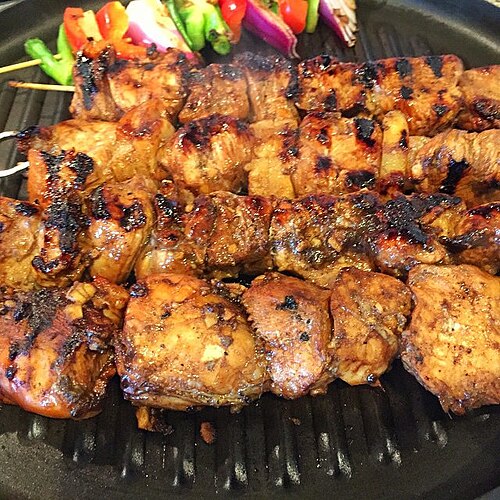
The History of Huli Huli Chicken: 'Turn Turn' Hawaiian BBQ
Imagine the warm Hawaiian breeze, the scent of a crackling fire, and the irresistible aroma of sweet, savory, and smoky chicken sizzling over an open flame. This is the sensory magic of
Huli Huli Chicken, a culinary icon that embodies the spirit of Hawaiian barbecue. Far from being just another grilled chicken dish, Huli Huli Chicken boasts a rich history, an engaging name, and a unique cooking method that has captivated palates worldwide. It's a dish found at bustling roadside stands, lively farmers' markets, and serene beach parks across the islands, each offering its own rendition of this beloved classic. But what makes this "turn turn" chicken so special, and where did its delicious journey begin?
The Birth of a Hawaiian Legend: Ernest Morgado's Innovation
The story of
Huli Huli Chicken begins not in ancient Polynesian traditions, but in the mid-20th century, specifically in 1955. The culinary mastermind behind this sensation was Ernest Morgado, a Hawaiian-Portuguese businessman with a visionary palate. Morgado, who helmed the Pacific Poultry Company, embarked on a mission that would inadvertently create one of Hawaii's most enduring dishes.
The setting was a humble farmers' meeting, where Morgado was tasked with preparing chicken for the attendees. He wasn't just grilling any chicken; he was employing a secret marinade, a cherished family recipe passed down from his mother. This marinade, likely a harmonious blend of local flavors such as pineapple, soy sauce, ginger, brown sugar, and garlic, was the heart of the dish.
Morgado's cooking method was as distinctive as his marinade. He ingeniously cooked whole chicken halves secured between two barbecue grills, allowing for easy flipping. When it was time to turn the chicken, his crew would enthusiastically shout "Huli!" – the Hawaiian word for "turn." This simple, repetitive command not only coordinated the cooking process but also inadvertently christened the dish. The name stuck, and "Huli Huli Chicken" (or "Turn Turn Chicken") quickly transcended its humble beginnings, becoming a legend in its own right. It was initially sold at fundraisers and community events, swiftly spreading across Oahu and eventually enchanting the world. This specific, delicious history sets
Huli Huli Chicken apart from a generic Hawaiian chicken recipe, grounding it firmly in a moment of culinary innovation.
More Than Just a Name: The "Turn, Turn" Technique and Its Flavor Impact
While "Huli" literally translates to "turn," the name embodies far more than a simple rotation of meat. It represents an active, engaging cooking philosophy that is fundamental to achieving the dish's signature flavor and texture. The constant turning and basting inherent in the "huli" process are not merely for even cooking; they are crucial for building layers of intense flavor and creating that coveted lacquered, caramelized crust.
Let's delve into the "why" behind this vital technique:
- Even Cooking and Moisture Retention: Continuous turning ensures the chicken cooks evenly from all sides, preventing one part from drying out while another remains undercooked. This consistent heat distribution locks in juices, resulting in an incredibly tender and moist interior.
- Marinade Adherence and Flavor Buildup: Each turn provides an opportunity to baste the chicken with more of that rich, sweet-savory marinade. This repeated application allows the sugars and flavors to caramelize and meld into a thick, glossy glaze, infusing the meat with deep, complex notes that simply can't be achieved with a single basting.
- The Perfect Char Without Burning: The constant motion prevents any single spot from being exposed to direct heat for too long, thus avoiding burning while still allowing for the development of beautiful char marks and smoky depth. This delicate balance is what creates the irresistible exterior of authentic Huli Huli Chicken.
The marinade itself is a masterpiece of balance. Pineapple juice, a frequent ingredient, not only adds a tropical tang but also contains bromelain enzymes that naturally tenderize the chicken. Soy sauce provides a savory, umami foundation, while brown sugar or honey contributes to the glorious caramelization. Ginger and garlic introduce aromatic warmth, and a touch of vinegar or citrus brightens the entire profile. It's this masterful combination, coupled with the active "turn, turn" grilling, that elevates
Huli Huli Chicken from a simple barbecue to an experience.
From Roadside Stands to Global Fame: The Cultural Journey of Huli Huli Chicken
Following its auspicious debut,
Huli Huli Chicken quickly cemented its place as a beloved staple of Hawaiian life. Its initial popularity at fundraisers meant that enjoying this succulent chicken was often tied to community events and good causes, further endearing it to the local population. Soon, the smoky aroma and the call of "Huli!" became synonymous with Hawaiian comfort food, beckoning hungry passersby to roadside stands and family-run stalls.
The quintessential experience of
Huli Huli Chicken involves driving past one of these beloved spots, often under a simple tin shack, where uncles or aunties meticulously tend to rows of chicken halves over an open flame. With car windows down, the smoky, sweet scent fills the air, signaling pure Hawaiian aloha and promising a delicious meal. These family-run stalls often guard secret marinades, passed down through generations, making each encounter with
Huli Huli Chicken a unique and cherished experience. You can still find this iconic dish at farmers' markets, local festivals, and beach parks across Hawaii, serving as a culinary beacon for both residents and visitors alike.
The journey of
Huli Huli Chicken didn't stop at the shores of Hawaii. Its unique flavor profile and charming origin story have propelled it onto the global stage, making it an internationally recognized symbol of Hawaiian cuisine. For many, it's the taste of a Hawaiian vacation, a vibrant culinary memory brought to life through a blend of sweet, savory, and smoky notes.
If you're inspired to recreate this Hawaiian magic in your own backyard, understanding the "turn, turn" technique is paramount. For those eager to dive into the practicalities and achieve that perfect balance of sweet, savory, and smoky notes, explore our guide:
Huli Huli Chicken: Sweet, Savory, Smoky Hawaiian BBQ Perfection. And for a step-by-step approach to bringing this authentic dish to your own grill, be sure to check out
Master Authentic Huli Huli Chicken: Your Home BBQ Guide.
Mastering the Art: Tips for Authentic Huli Huli at Home
Whether you're a seasoned grill master or a home cook looking to expand your repertoire, creating authentic
Huli Huli Chicken at home is surprisingly achievable with a few key insights:
- Choose Your Cut Wisely: While chicken breasts can be used, chicken thighs are highly recommended for their higher fat content, which results in a significantly juicier and more flavorful outcome. Whole chicken halves, as per Morgado's original method, also work wonderfully.
- Embrace the Marinade: A good marinade is non-negotiable. Aim for a balance of sweet (brown sugar, honey, pineapple juice), savory (soy sauce, garlic, ginger), and tangy (rice vinegar, a touch of ketchup). Marinate your chicken for at least 4 hours, or ideally overnight, for maximum flavor penetration.
- Grilling is King (But Baking Works Too!): For that quintessential smoky char, grilling over an open flame is the best method. If outdoor grilling isn't an option, you can bake Huli Huli Chicken at 375°F (190°C) for about 45 minutes, ensuring you baste and turn the chicken halfway through until an internal temperature of 165°F (74°C) is reached.
- The "Huli" Action: This is crucial! Regardless of your cooking method, continuous turning and basting are key. On the grill, turn every 5-7 minutes. In the oven, turn and baste every 15-20 minutes. This builds up the glaze and ensures even cooking.
- Customization is Welcome: Traditionally, Huli Huli Chicken isn't spicy, but feel free to add a pinch of chili flakes or a dash of sriracha to your marinade if you crave a little heat.
- Plan Ahead: The marinade can be made in advance and frozen in an airtight bag for up to three months, making spontaneous Hawaiian BBQ nights a breeze.
Conclusion
From a simple farmers' meeting in 1955 to a global culinary phenomenon, the story of
Huli Huli Chicken is a testament to the power of a great recipe and an engaging name. Ernest Morgado's ingenuity, coupled with his mother's secret marinade and the iconic "Huli!" cry, created more than just a dish; it crafted an experience, a memory, and a taste of Hawaiian aloha. The constant turning and basting isn't just a cooking technique; it's a celebration of flavor, patience, and the joy of traditional Hawaiian BBQ. So, the next time you savor the sweet, savory, and smoky notes of this legendary "turn turn" chicken, remember its rich history and the delicious journey it has taken to become the beloved classic it is today.