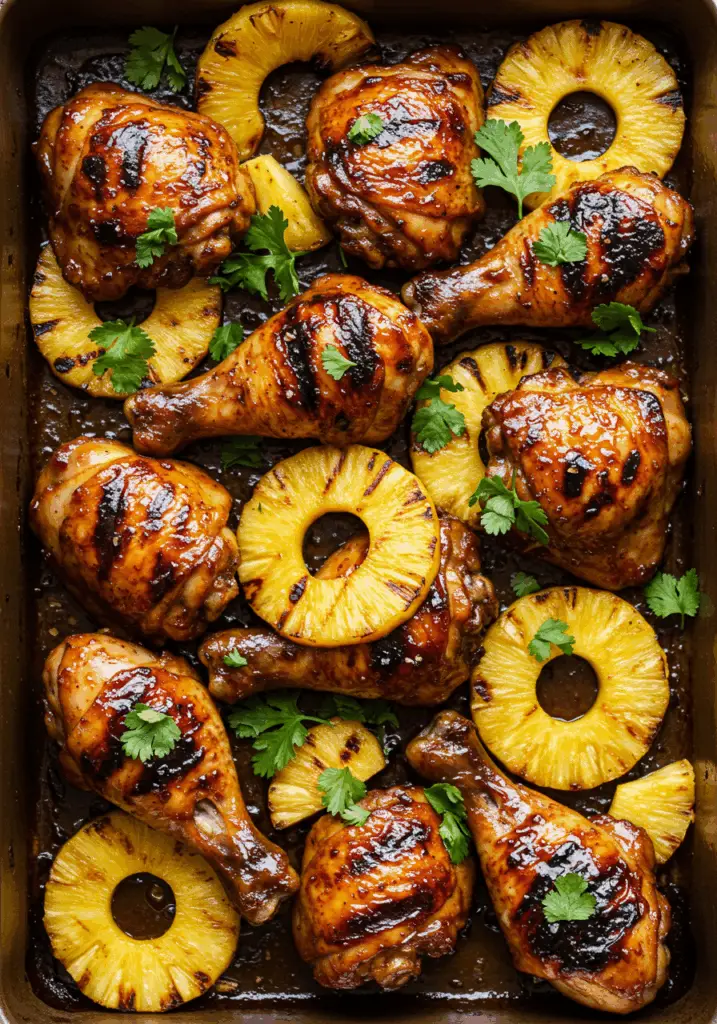
Huli Huli Chicken: Your Guide to That Iconic Hawaiian Roadside Taste
Imagine the warm Hawaiian breeze, the sound of waves in the distance, and that unmistakable aroma wafting from a roadside stand – the irresistible, smoky, sweet-savory scent of
Huli Huli Chicken. This isn't just a meal; it's a sensory journey to the heart of island comfort food, a dish synonymous with lazy Maui afternoons, bustling farmers' markets, and family gatherings across the archipelago. For many, catching a glimpse of a dedicated "Uncle" turning chicken over an open flame under a humble tin shack, with that delicious fragrance filling the air, is a cherished memory that defines the true spirit of Hawaiian hospitality and flavor.
But what exactly is it that makes Huli Huli Chicken so utterly crave-able, so distinct from other grilled chicken dishes? It's a harmonious blend of tradition, technique, and a uniquely balanced flavor profile that once experienced, is never forgotten. You might have tried to recreate that vacation taste at home, perhaps encountering sauces that were too thin, overly sweet, or simply missed that complex, authentic Hawaiian BBQ depth. Worry not, because this comprehensive guide will unpack the magic behind Huli Huli Chicken, from its origins to mastering its unforgettable taste in your own backyard.
What is Huli Huli Chicken? Unpacking the Island Classic
At its core,
Huli Huli Chicken is a popular Hawaiian barbecue dish made with marinated chicken grilled over an open flame, renowned for its juicy texture and a signature sweet-savory glaze that achieves a perfect caramelized char. The name itself offers a direct clue to its traditional preparation:
"Huli" means
"to turn" in Hawaiian. This refers to the continuous flipping and rotating of the chicken while it cooks, ensuring even exposure to the heat, consistent basting, and that coveted all-over browning.
While the exact origins are debated, the legend often points to Ernest Morgado, who coined the term and began selling his distinctively prepared chicken in the mid-1950s. What started as a local favorite quickly became a statewide sensation, establishing Huli Huli Chicken as an essential part of Hawaii's culinary landscape. Today, you'll discover this delicious chicken gracing menus at vibrant farmers' markets, casual beach parks, and, most authentically, at humble roadside stands dotting the scenic routes of islands like Maui, Oahu, and Kauai. Often, these are family-run stalls, preserving secret marinades and grilling techniques passed down through generations, each adding their unique touch to the beloved classic. The smoky pits and the rhythmic turning of the chicken over an open fire create an experience that’s as much about the atmosphere as it is about the incredible flavor.
The Secret to That Irresistible Huli Huli Flavor: Marinade vs. Rub
The soul of
Huli Huli Chicken lies firmly in its flavor profile – that perfect balance of sweet, savory, and tangy with an underlying smokiness. Achieving this requires attention to either a bold spice rub or, more commonly, a rich, complex marinade. While both methods deliver fantastic island-style grilled perfection, the wet marinade is often considered the hallmark of classic Huli Huli.
A traditional Huli Huli marinade is a symphony of Pacific-inspired ingredients designed to tenderize the chicken while infusing it with layers of flavor. Key components typically include:
- Pineapple Juice: Not just for sweetness, the enzymes in pineapple juice act as a natural tenderizer, breaking down muscle fibers for an incredibly juicy result. It also contributes a subtle tang.
- Soy Sauce: The backbone of the savory and umami profile, providing depth and a beautiful dark color.
- Brown Sugar (or Honey/Molasses): Essential for that signature sweetness and crucial for caramelization, creating a glistening, slightly sticky glaze.
- Fresh Ginger and Garlic: Aromatic powerhouses that add pungency and warmth, elevating the overall complexity.
- Ketchup/Tomato Paste: Often used for a deeper red hue and a touch of acidity and sweetness.
- Rice Vinegar or Apple Cider Vinegar: Balances the sweetness and richness with a bright, tangy kick.
- Sesame Oil: Contributes a nutty, aromatic finish.
The magic of this marinade is not just in its ingredients but in the time it's given to work. A minimum of 4 hours is recommended, but for truly profound flavor penetration and maximum tenderness, marinating your chicken for 12 to 24 hours in the refrigerator is essential. This extended soak allows the flavors to truly meld and penetrate deep into the meat, preparing it for its transformation on the grill. While traditionally not spicy, you can easily add a pinch of red chili flakes to your marinade if you prefer a touch of heat.
For those who lean towards a different texture or a more robust, peppery crust, a dry rub can also deliver fantastic results, focusing on spices like smoked paprika, garlic powder, onion powder, and a touch of brown sugar to mimic some of the marinade's characteristics. However, for that truly iconic, sticky-sweet Hawaiian taste, the liquid marinade reigns supreme. To dive even deeper into perfecting your marinade, check out
The Secret to Perfect Huli Huli Chicken: Sweet, Savory, Smoky Flavor.
Mastering the "Huli" Technique at Home: From Grill to Plate
Recreating the authentic
Huli Huli Chicken experience at home hinges on mastering the "huli" (turning) technique, combined with smart grilling practices. While you might not have a custom-built smoky pit like those found at Hawaiian roadside stands, you can still achieve incredible results with a standard charcoal or gas grill.
1.
Preparation is Key: Start with bone-in, skin-on chicken pieces (thighs and drumsticks are excellent choices for their juiciness and flavor, but a whole spatchcocked chicken works wonderfully too). Ensure your chicken has marinated sufficiently, as discussed above. Reserve some of the unused marinade for basting – remember to boil it vigorously for several minutes before use to kill any bacteria, or set aside a portion *before* the chicken touches it.
2.
Set Up Your Grill:
*
Charcoal Grill: This is often preferred for its smoky flavor. Arrange coals for two-zone cooking – direct heat on one side (hot) and indirect heat on the other (cooler).
*
Gas Grill: Preheat to medium-high. Turn off one burner to create an indirect heat zone.
3.
The Initial Sear: Start by placing the chicken skin-side down over direct heat for about 3-5 minutes to get a beautiful sear and kickstart the caramelization. Watch carefully to avoid burning due to the sugar in the marinade.
4.
The "Huli" Rhythm: Move the chicken to the indirect heat zone. Now, the magic happens. Every 5-7 minutes, *turn* the chicken. As you turn, baste generously with your reserved, boiled marinade. This frequent turning and basting is crucial. It ensures even cooking, prevents scorching of the sugar-rich glaze, and builds up layers of that sticky, caramelized crust. The basting keeps the chicken moist and continues to infuse it with flavor.
5.
Temperature and Time: Cook until the internal temperature of the thickest part of the chicken reaches 165°F (74°C). Depending on the size of your chicken pieces and grill temperature, this usually takes 30-45 minutes for bone-in cuts. Towards the end, you can move the chicken back over direct heat for a minute or two per side, if needed, to intensify the char and crisp the skin, but be very vigilant to prevent burning.
6.
Resting: Once cooked, remove the chicken from the grill and let it rest for 5-10 minutes. This allows the juices to redistribute, ensuring every bite is succulent and flavorful.
Mastering this technique will elevate your grilling game and bring that authentic Hawaiian taste right to your table. For more detailed insights into perfecting your grilling skills, consider reading
Mastering Authentic Huli Huli Chicken: Hawaiian BBQ at Home.
Beyond the Grill: Serving Suggestions and Huli Huli Variations
Once your succulent, perfectly charred
Huli Huli Chicken is ready, the serving possibilities are as inviting as the dish itself. In Hawaii, it's most commonly enjoyed simply with a scoop of white rice and often a side of creamy macaroni salad or coleslaw. The plainness of the sides perfectly complements the rich, complex flavors of the chicken, allowing it to remain the star of the show.
For an extra touch of island flair, consider grilling some fresh pineapple rings alongside your chicken. The caramelized pineapple not only adds another layer of sweetness and acidity but also visually enhances the tropical theme. Other delicious accompaniments include:
- Steamed White Rice: A classic pairing.
- Macaroni Salad: The quintessential Hawaiian side dish.
- Coleslaw: A crisp, refreshing contrast.
- Grilled Vegetables: Bell peppers, zucchini, or sweet potatoes.
- Green Salad: Light and fresh to cut through the richness.
While traditional Huli Huli Chicken is defined by its sweet and savory profile rather than spiciness, don't hesitate to customize! As mentioned, a pinch of chili flakes in the marinade or a dash of sriracha as a dipping sauce can introduce a pleasant kick for those who enjoy heat.
Beyond the classic chicken pieces, the Huli Huli marinade is incredibly versatile. Experiment with other cuts like boneless, skinless chicken breasts (though watch cooking times to prevent drying), or even make Huli Huli skewers with chicken chunks and pineapple pieces. Some adventurous cooks even adapt the marinade for pork ribs or shrimp, bringing that iconic island flavor to a wider array of dishes. The core principle—marinate, turn, and baste over heat—remains the delicious constant.
Huli Huli Chicken is more than just a meal; it’s an experience, a taste of aloha. From its humble roadside origins to its widespread popularity, this Hawaiian classic embodies comfort, tradition, and incredible flavor. By understanding its core components – the meaning of "huli," the power of its sweet-savory marinade, and the art of turning on the grill – you're now equipped to bring that iconic island taste to your own table. So fire up the grill, embrace the rhythm of the turn, and get ready to savor every juicy, smoky, perfectly glazed bite of this unforgettable Hawaiian favorite.