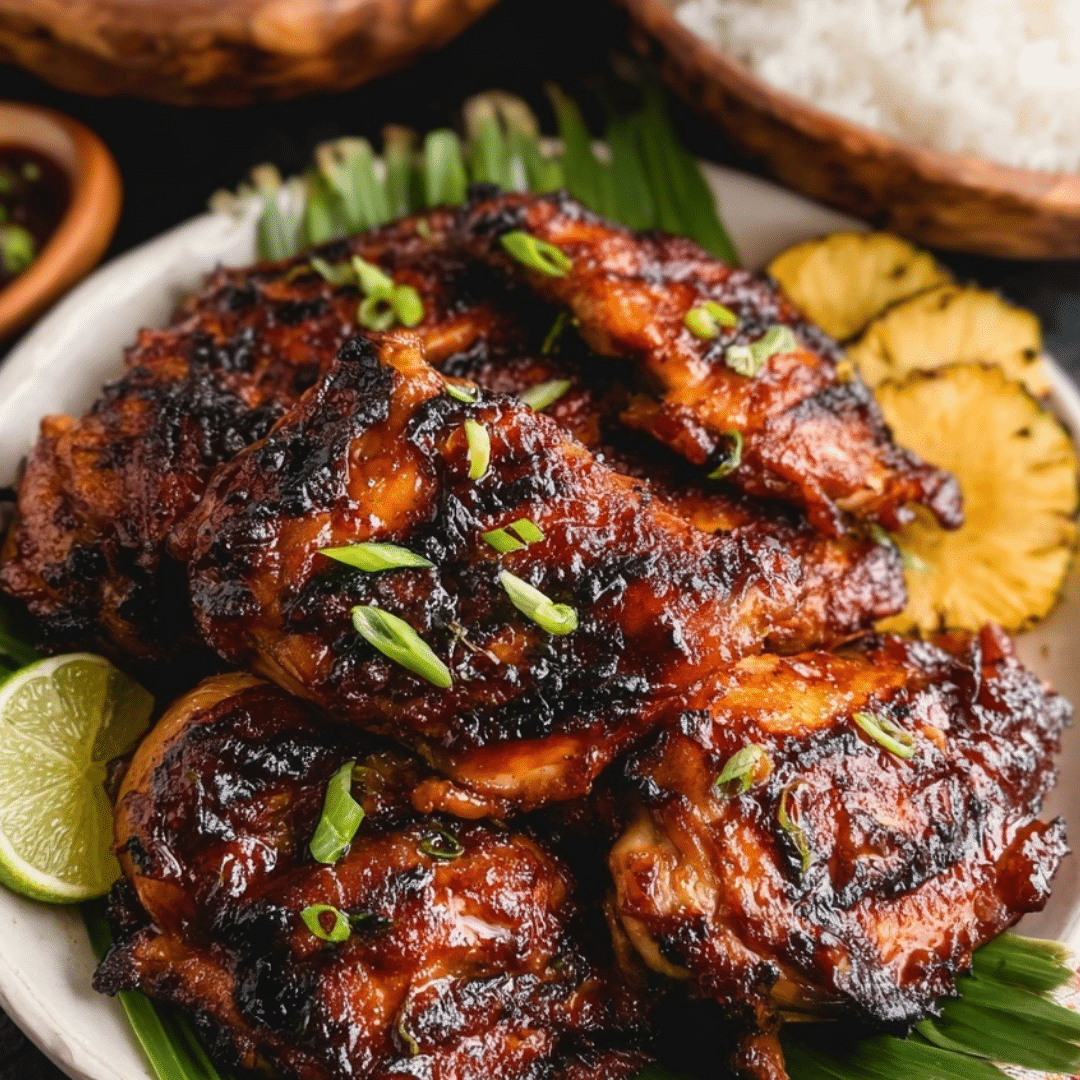
Imagine a warm Hawaiian breeze, the rhythmic crash of waves, and the unmistakable aroma of chicken sizzling over an open flame, basted with a glistening, deep-red sauce. This isn't just a vacation daydream; it's the sensory magic of Huli Huli Chicken, Hawaii's iconic roadside barbecue. For many, this sweet, savory, and smoky delight evokes memories of island adventures and simple, unparalleled deliciousness. But what if we told you that the secret to this perfect flavor profile isn't confined to a remote roadside stand? You can recreate that authentic island taste in your own backyard, and in this comprehensive guide, we'll reveal how.
Often imitated but rarely perfected, true Huli Huli Chicken strikes an exquisite balance. It’s a flavor chase that many embark on, seeking that elusive blend of tangy pineapple, rich soy, and smoky char, often encountering sauces that are too thin, too sweet, or simply lack depth. We understand that quest for perfection. After extensive testing and a deep dive into the culinary science behind this beloved dish, we're ready to share the definitive approach to mastering the sweet, savory, smoky essence of authentic Huli Huli Chicken. Get ready to transform your grilling game and bring a piece of paradise home.
What Exactly is Huli Huli Chicken? Unpacking the Hawaiian Classic
At its heart, Huli Huli Chicken is more than just a dish; it's a cultural staple, a symbol of Hawaiian comfort food, often found at bustling farmers markets, sun-drenched beach parks, and legendary family-run roadside stands across the islands. The name itself, "Huli," holds the key to its preparation and meaning, translating directly to "to turn" in Hawaiian. This refers to the continuous flipping and rotating of the chicken as it cooks over an open flame, ensuring an even cook, perfect char, and layer-by-layer basting of its signature glaze.
The dish is renowned for its irresistible sweet-savory glaze and incredibly juicy texture. Traditionally, it's made with chicken marinated in a special sauce, then grilled to perfection. The smoky aroma, often enhanced by open-fire cooking, is a distinctive characteristic that makes it instantly recognizable and deeply satisfying. While the exact origins are debated, its popularity soared in the mid-20th century, cementing its place as an integral part of Hawaiian barbecue culture.
You'll typically encounter two delicious approaches to preparing this chicken: with a bold spice rub or, more commonly, with a rich, sweet-savory marinade. While both deliver that quintessential Hawaiian BBQ flavor, it's the latter that truly defines the glistening, caramelized surface and tender interior that most people associate with authentic Huli Huli Chicken. Historically, it's not a spicy dish, but modern interpretations often welcome a touch of heat, allowing for delicious customization.
The Magic is in the Marinade: Crafting the Signature Huli Huli Flavor
The true secret to perfect Huli Huli Chicken lies in its deeply flavorful marinade. This isn't just a quick bath for your chicken; it's a careful alchemy of ingredients that tenderize the meat, infuse it with complex flavors, and lay the foundation for that iconic sticky, caramelized glaze. Forget thin, watery sauces; we're aiming for a robust, balanced blend that clings beautifully to the chicken.
Key Ingredients for an Unforgettable Huli Huli Marinade:
- Pineapple Power: Pineapple juice or crushed pineapple is non-negotiable. Beyond its tropical sweetness and tang, fresh pineapple contains bromelain, an enzyme that naturally tenderizes the chicken, ensuring it remains incredibly juicy. This also contributes to the signature caramelized notes.
- Umami Depth: Good quality soy sauce forms the backbone of the savory profile, providing essential saltiness and a rich umami punch. It’s crucial for balancing the sweetness.
- Aromatic Foundation: Fresh ginger and garlic are the aromatic heart of the marinade. Their pungent, zesty notes provide complexity and brightness that elevate the entire flavor profile.
- Sweet Sensation: Brown sugar or honey contributes the essential sweetness needed for that beautiful caramelization on the grill. It also helps create the desired sticky texture.
- Tang & Body: Ketchup or tomato paste often finds its way into authentic recipes, adding a subtle tang, a hint of umami, and crucial body to the sauce, ensuring it's not too thin.
- Acidity & Balance: A splash of rice vinegar or apple cider vinegar provides a much-needed acidic counterpoint, cutting through the sweetness and richness, making the flavors pop.
- Optional Enhancements: A touch of sesame oil can add a wonderful nutty aroma, while a hint of liquid smoke can boost the "roadside pit" essence if you're not using a charcoal grill.
The Importance of Marinade Duration:
Patience is a virtue when it comes to Huli Huli Chicken. A minimum of 4 hours is recommended for the flavors to truly penetrate the meat, but for optimal tenderness and a deeply infused taste, aim for an overnight marinade of 12-24 hours. Be cautious, however, with fresh pineapple juice; while its enzymes are great for tenderizing, over-marinating for more than 24 hours can sometimes lead to a slightly mushy texture, especially with leaner cuts of chicken. For longer marinating, consider using canned pineapple juice, which often has less active bromelain.
Pro Tip: Always reserve a portion of your marinade *before* adding the raw chicken. This reserved portion can be simmered and reduced on the stovetop to create a safe, delicious basting sauce or serving sauce, free from raw chicken contaminants.
The "Huli" Technique: Mastering the Grill for Unforgettable Results
Understanding the "Huli" principle is paramount to achieving that perfectly glazed, incredibly juicy Huli Huli Chicken. As we've established, "Huli" means "to turn," and this consistent rotation is not just a tradition; it's a cooking technique that builds layers of flavor and ensures even doneness without burning.
Grilling Methods and Heat Management:
Traditionally, Huli Huli Chicken is grilled over an open flame, often using charcoal or kiawe wood for an authentic smoky flavor. At home, you can achieve fantastic results with:
- Charcoal Grill: Offers the most authentic smoky flavor. Set up a two-zone fire with a hot direct heat side and a cooler indirect heat side.
- Gas Grill: Convenient and effective. Aim for medium-low heat to start, ensuring you have higher heat available for the final char.
- Oven/Broiler: While you'll miss the smoky char, an oven can still produce delicious results. Bake at a moderate temperature (e.g., 375°F / 190°C) and finish under the broiler for caramelization.
The key is heat management. Due to the sugar content in the marinade, direct high heat for extended periods will quickly burn the glaze before the chicken is cooked through. Start with medium-low to medium direct heat, or use indirect heat for the initial cooking, moving to direct heat later.
The Turning and Basting Process:
This is where the magic happens. Once your chicken is on the grill, begin turning it frequently – every 5-7 minutes. Each turn allows you to baste the chicken with your reserved (and simmered) Huli Huli sauce. This continuous process:
- Builds Flavor Layers: Each layer of sauce bakes onto the chicken, creating a rich, multi-dimensional glaze.
- Ensures Even Cooking: Constant turning prevents one side from burning or drying out while the other remains undercooked.
- Promotes Caramelization: The sugars in the sauce will beautifully caramelize, forming that signature glistening, slightly sticky crust.
Cook the chicken until an internal temperature of 165°F (74°C) is reached in the thickest part. The total cooking time will vary based on the chicken cut and grill temperature, but typically ranges from 25-45 minutes for pieces like thighs or quarters. For a deeper dive into the specifics of this cooking technique, check out our guide on Mastering Authentic Huli Huli Chicken: Hawaiian BBQ at Home.
Beyond the Basics: Elevating Your Huli Huli Chicken Experience
While the traditional recipe is undeniably delicious, there's always room to personalize and enhance your Huli Huli Chicken. Think about the cuts of chicken you use, additional flavor boosters, and how you choose to serve this iconic dish.
Choosing Your Chicken Cuts:
While whole chickens (often spatchcocked for faster, more even cooking) are traditional for roadside stands, at home, dark meat cuts like boneless, skinless chicken thighs or bone-in drumsticks are excellent choices. They stay incredibly moist and absorb the marinade beautifully. Chicken breasts can also be used, but be mindful not to overcook them, as they dry out more easily.
Customizing Your Flavor Profile:
- Add Some Heat: If you enjoy a kick, incorporate a pinch of red chili flakes into your marinade or a dash of sriracha for a modern twist.
- Smoky Boost: For those without a charcoal grill, a very small amount of liquid smoke in the marinade can replicate that wood-fired flavor.
- Garnish for Freshness: Before serving, sprinkle with chopped green onions and a handful of toasted sesame seeds. Grilled pineapple slices make for a beautiful and delicious accompaniment, echoing the marinade's star ingredient.
Perfect Pairings for Your Island Feast:
No Hawaiian plate lunch is complete without its traditional sides. Serve your glorious Huli Huli Chicken alongside:
- Steamed White Rice: The perfect absorbent canvas for the extra sauce.
- Macaroni Salad: A creamy, tangy counterpoint that's a staple in Hawaii.
- Grilled Vegetables: Asparagus, bell peppers, or zucchini grilled alongside the chicken.
- Coleslaw: For a refreshing, crunchy element.
Whether you're hosting a backyard barbecue or simply craving a taste of the islands on a weeknight, mastering Huli Huli Chicken is an achievable and incredibly rewarding culinary journey. For more serving suggestions and pairing ideas to complete your Hawaiian feast, explore Huli Huli Chicken: Your Guide to That Iconic Roadside Taste.
The secret to perfect Huli Huli Chicken lies not in a single ingredient, but in the harmonious interplay of a thoughtful marinade and a meticulous grilling technique. By embracing the "Huli" philosophy of turning and basting, and understanding the power of a well-balanced sweet, savory, and tangy sauce, you can consistently achieve that juicy, smoky, caramelized perfection that has captivated taste buds for generations. So fire up your grill, mix that marinade, and prepare to embark on a delicious journey to the heart of Hawaiian comfort food. Your backyard is about to become the most popular spot on the block, filled with the irresistible aroma of island-style barbecue.
